
Emergency Light Testing
Emergency Light Testing & Maintenance
Thorough testing to help ensure your emergency lighting is ready when normal power fails
Emergency lighting provides illumination when the normal lighting supply is interrupted, helping people navigate buildings, locate escape routes and reach areas of safety. Regular testing is essential to identify failed lamps, deteriorating batteries, damaged fittings and other issues before the system is needed during an emergency.
UKFS provides comprehensive emergency lighting testing and maintenance for commercial and non-domestic premises throughout the UK. Our service includes routine functional testing, annual full-duration discharge testing, inspection of fittings and batteries, fault identification and maintenance recommendations, helping you keep your emergency lighting system in working order. The current BS 5266-1:2025 provides recommendations for emergency lighting of premises and its application.
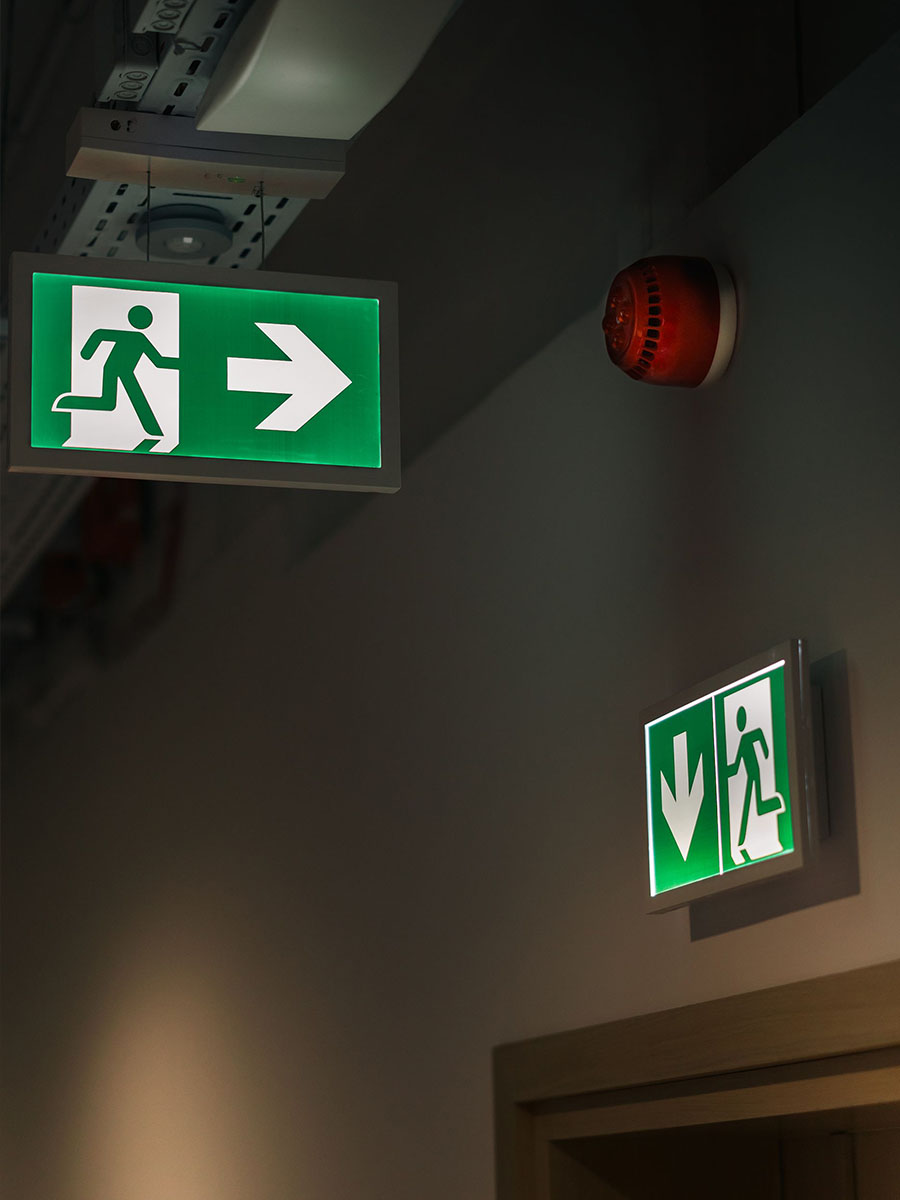




Why Choose UKFS for Emergency Lighting Testing
UKFS gives businesses access to experienced fire and electrical engineers who understand the importance of dependable emergency lighting across different types of premises. We examine the condition and operation of the system rather than simply recording whether individual fittings illuminate.
Our engineers can manage scheduled annual testing, assess the condition of emergency lighting equipment and identify issues requiring attention. With engineers strategically positioned throughout the UK, we can support both individual properties and larger estates with planned testing programmes.
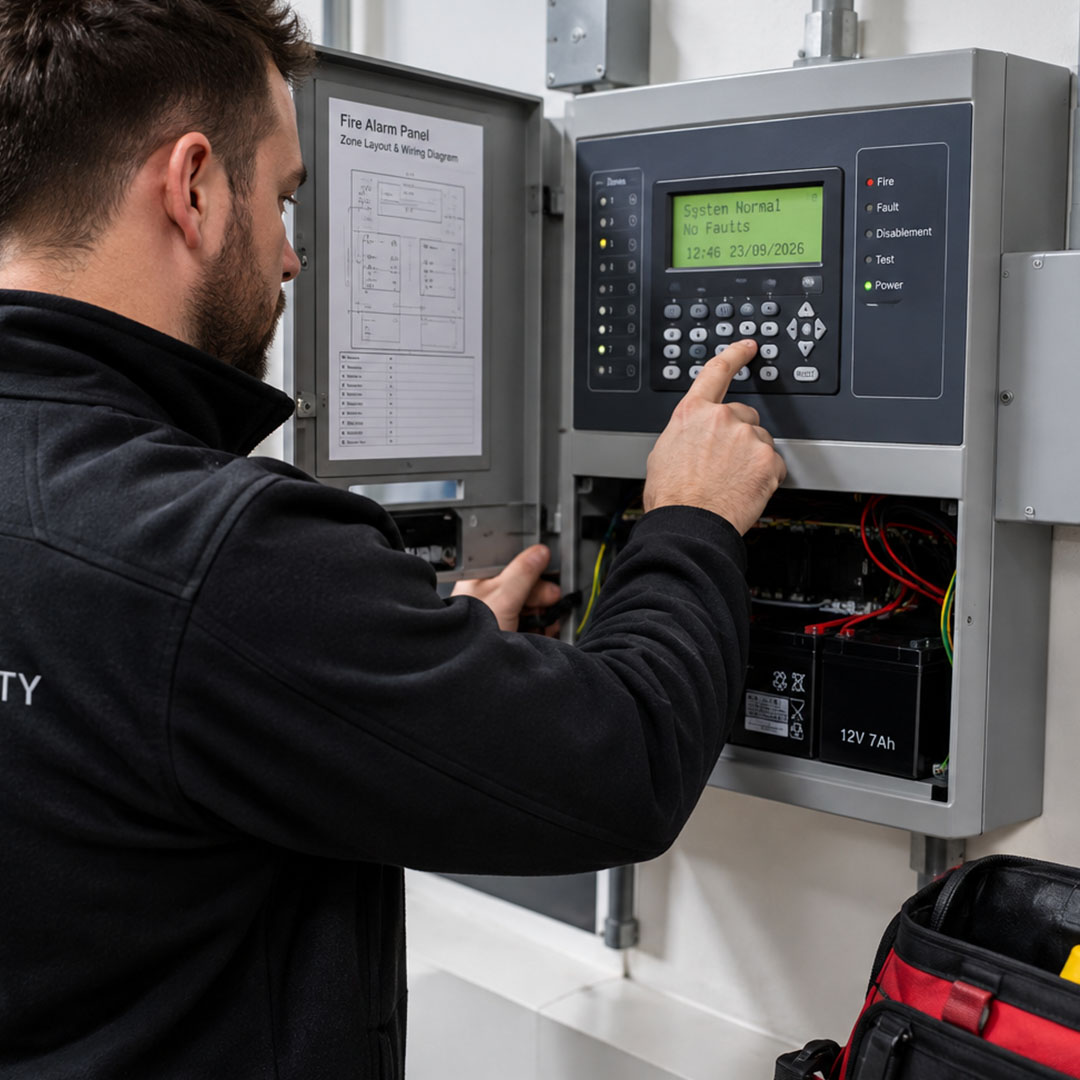
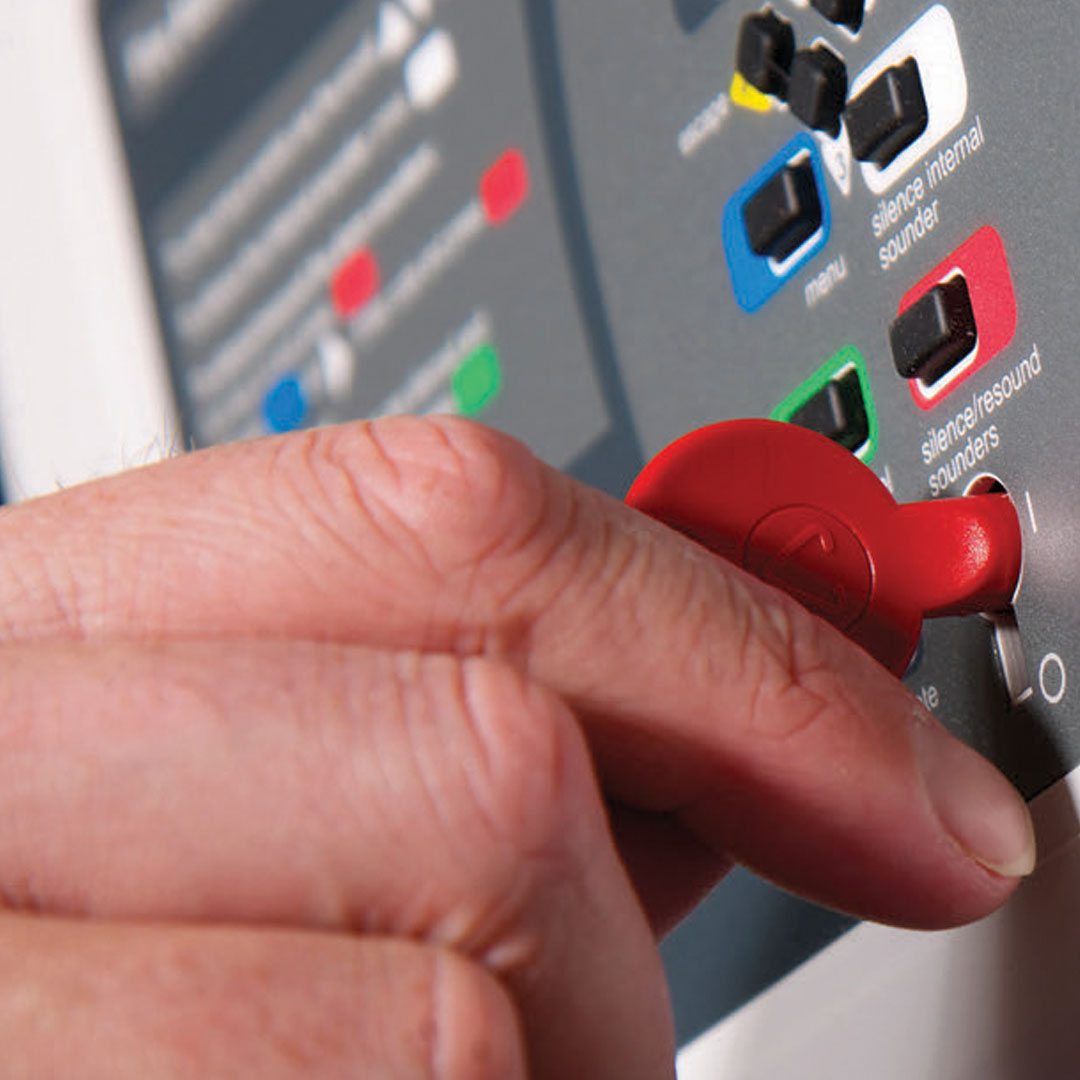
Annual Full-Duration Discharge Testing
Our engineers perform the full rated-duration test, checking that batteries can sustain the emergency lighting for the required period.
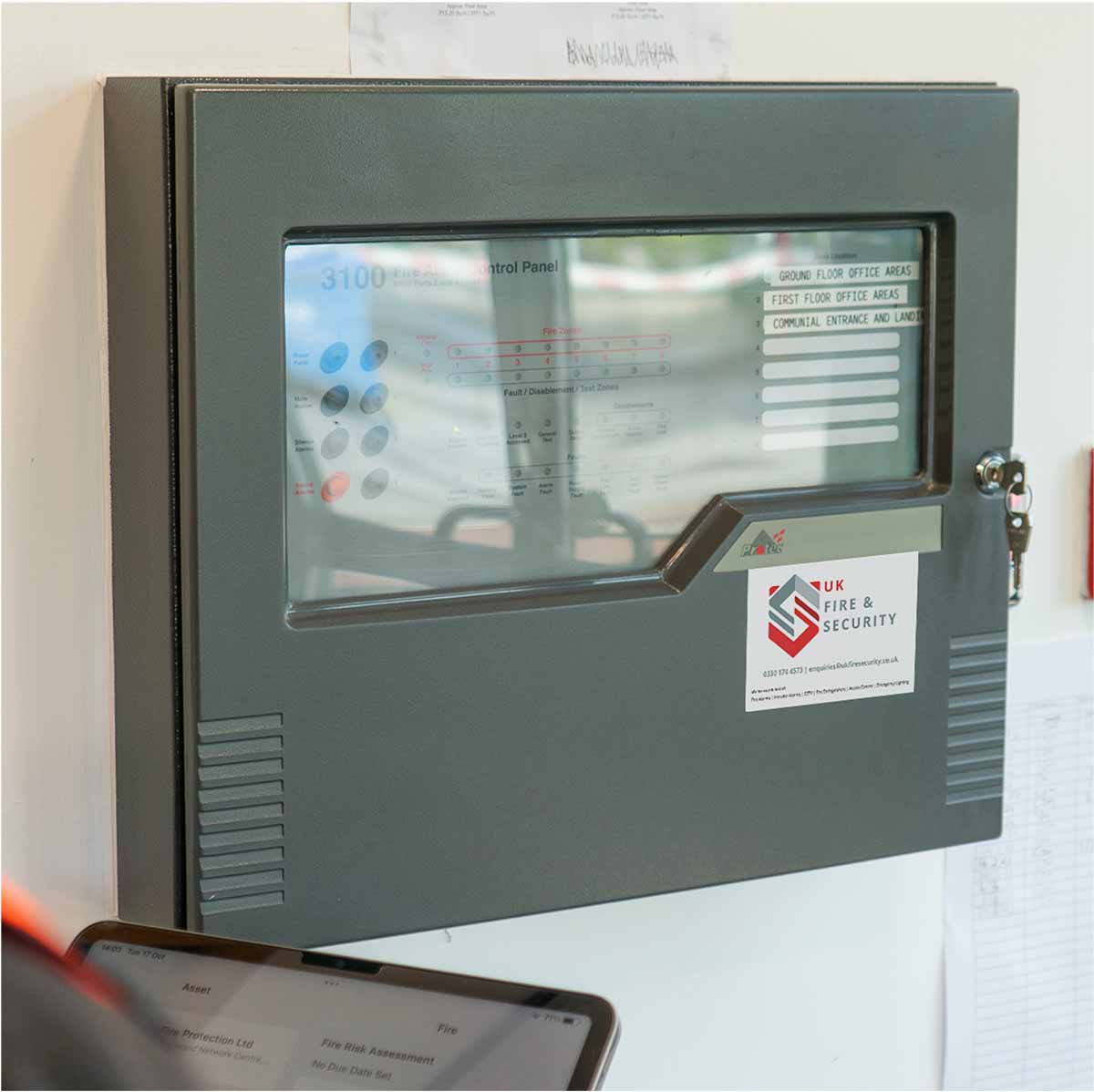
Comprehensive Lighting Inspection
We examine fittings, batteries, indicators, signs and accessible components for damage, deterioration or other defects.
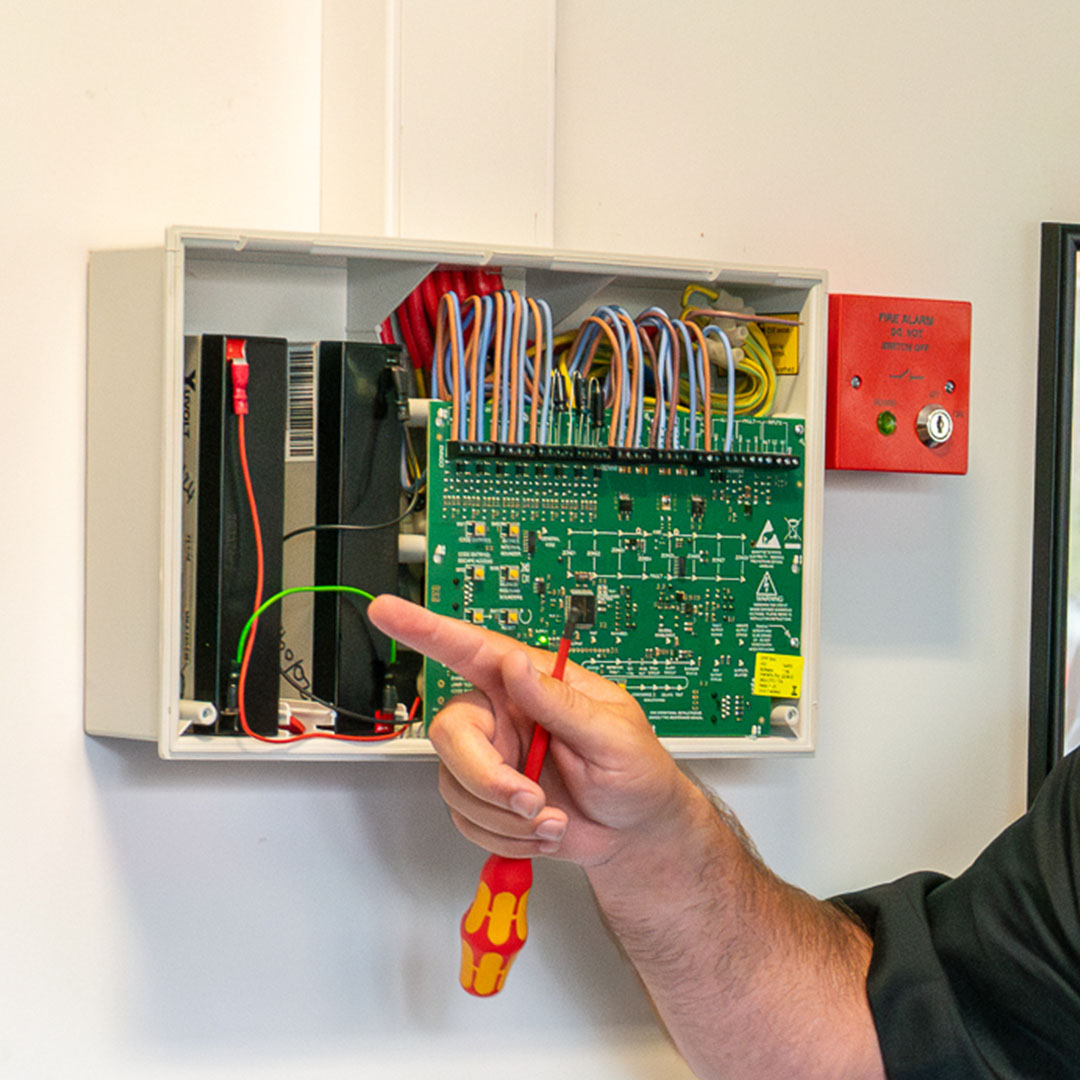
Fault Identification & Remedial Advice
Where problems are identified, we provide clear recommendations and can arrange remedial works or replacement equipment.

Nationwide Planned Maintenance
With engineers located across the UK, we can organise scheduled emergency lighting testing for single or multiple sites.
Our Emergency Light Testing Process
From initial inspection through to documented test results
Review Previous Records
We review existing test records, system information and any previously identified issues.
Visual Inspection
Our engineer checks fittings, signs, indicators, batteries and accessible components for visible defects.
Functional Assessment
The system is checked to confirm emergency luminaires and signs operate correctly when required.
Full Discharge Test
The system is subjected to its full rated-duration test to assess battery performance and endurance.
Report & Recommendations
Test results are documented and any failed fittings, defects or remedial requirements are reported.
Emergency Light Testing FAQs
Emergency lighting needs more than an occasional glance to confirm it is working.
Here are answers to some common questions about emergency lighting testing, full discharge tests and maintenance.
How often should emergency lighting be tested?
Routine functional checks are typically carried out monthly by the responsible person, with a full-duration test carried out annually. The exact regime should reflect the system, manufacturer guidance and relevant standards.
What is a full discharge test on emergency lighting?
A full discharge test simulates a prolonged loss of normal power and allows the emergency lighting to operate for its full rated duration, commonly three hours.
How long does an emergency lighting full discharge test take?
The duration depends on the system’s rated capacity. Many systems require a three-hour full-duration test before normal power is restored.
What happens during an emergency lighting test?
Engineers inspect emergency luminaires, exit signs, batteries, indicators and other relevant equipment, recording any faults or failures identified.
Is emergency lighting testing a legal requirement?
Emergency lighting should be regularly tested and maintained as part of suitable fire safety arrangements. The responsible person should ensure appropriate inspection, testing and maintenance arrangements are in place.
What happens if emergency lights fail the full discharge test?
What happens if emergency lights fail the full discharge test?
Systems & Services We Offer
Whether you need a new system, routine testing or ongoing maintenance, UKFS can support every stage.
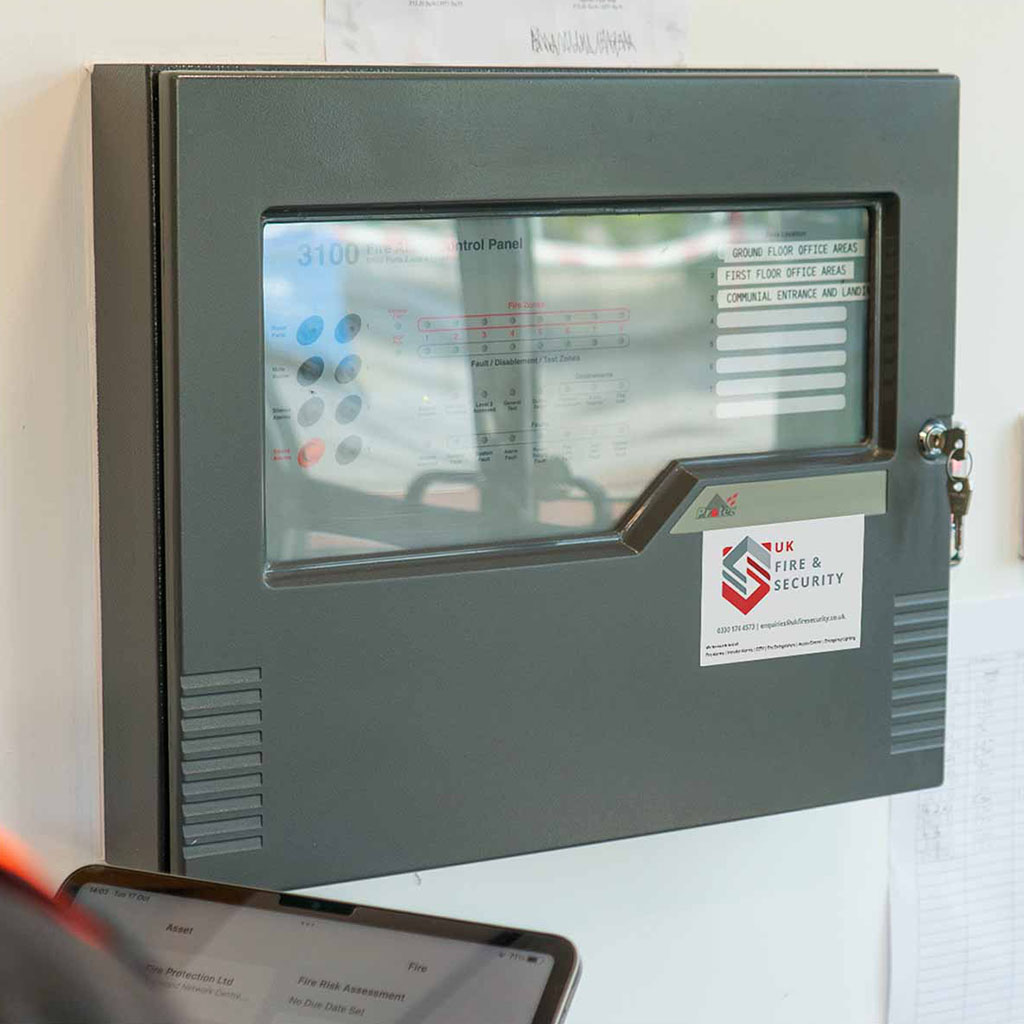
Fire Systems
Train like a pro with structured coaching, competitive matches, and team-building activities.
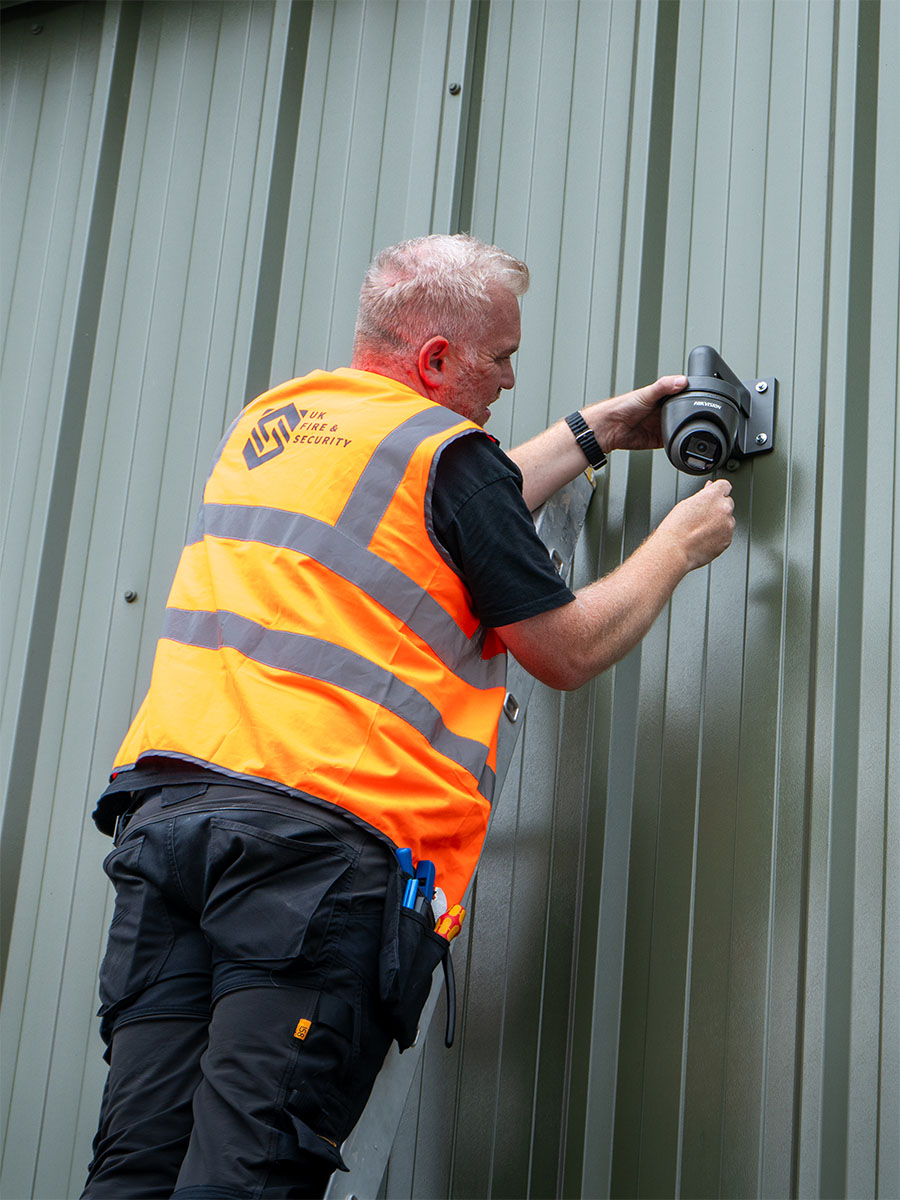
Security Systems
Train like a pro with structured coaching, competitive matches, and team-building activities.
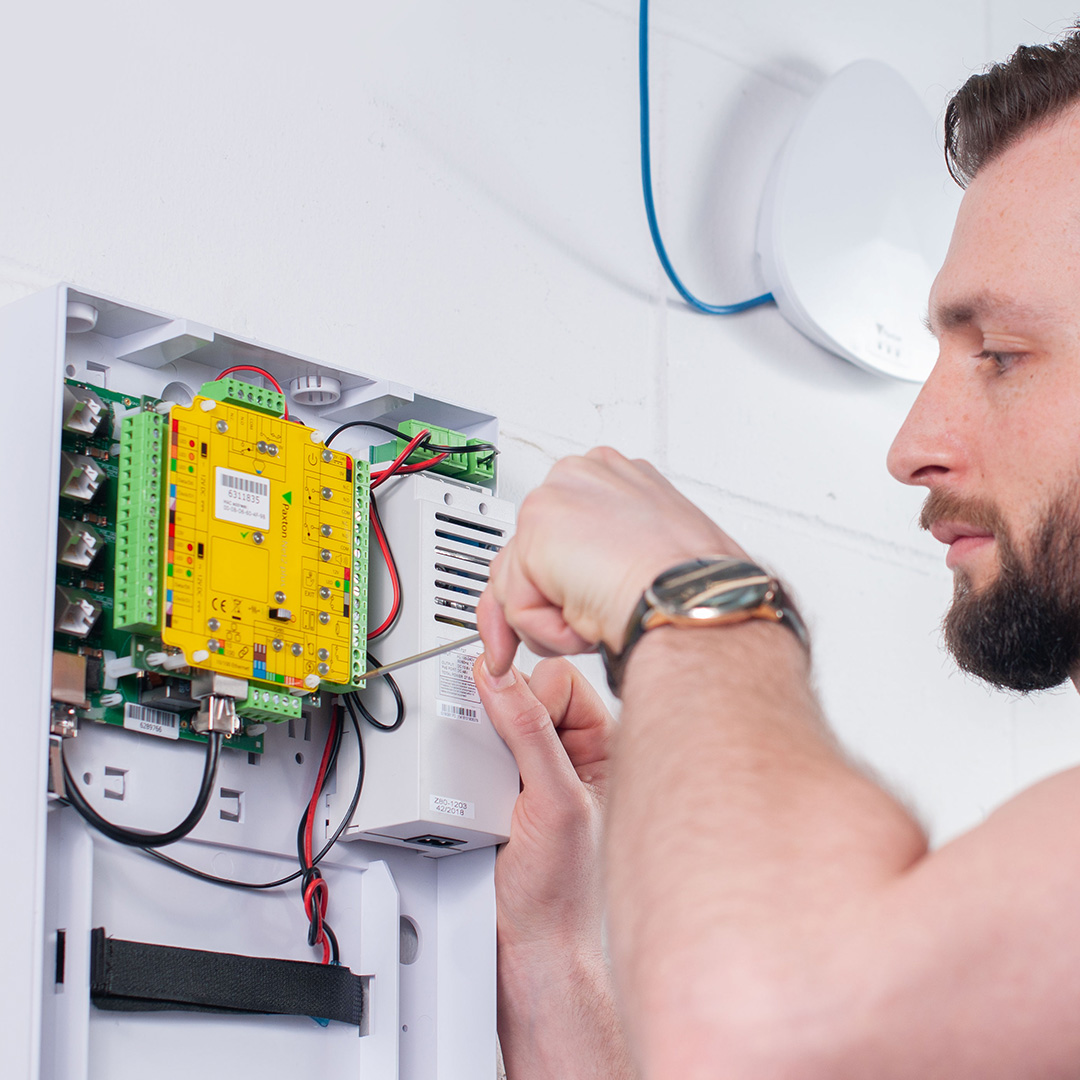
Testing & Servicing
From casual games to professional coaching, our tennis program welcomes players of all levels.
Proud to be Accredited & certified by





Request A Quote
Have a project or portfolio that you would like to work with us on? Get in touch and a member of our team will be in touch very shortly..
Our our head offices is based in Coleshill with fully qualified, experienced engineers spread throughout the UK allowing UK Fire & Security to operate nationwide.
Call Us: 0330 174 4573
Email Us: [email protected]

CONTACT DETAILS
Unit C, 37a Parkfield Rd, Coleshill, Birmingham B46 3LD
OUR KEY SERVICES
Copyright © UKFS 2026 All rights Reserved